
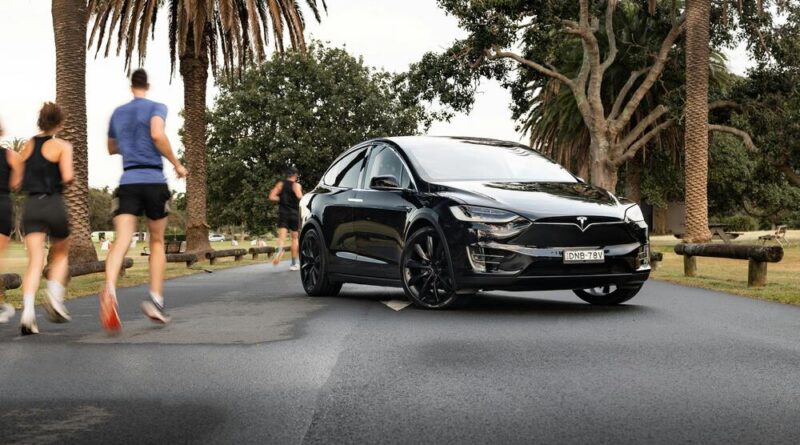
Rituals of the Road: How EVs Are Changing Travel, Commuting, and Holidays
Countdown to the EV Cultural Impact Awards
Days --
Hours --
Minutes --
Seconds
The advent of electric vehicles is quietly revolutionizing the rituals of travel and daily journeys, altering not just how people get from A to B, but how they experience time on the road, prepare for holidays, and structure everyday commutes. The road trip, once defined by the roar of the engine and regular fuel stops, is being reimagined as a more intentional, technology-driven experience centered around energy efficiency, community, and ecological awareness.
Redefining the Long Journey
In past decades, long-distance travel by car was synonymous with plotting gas stations, quick roadside food, and the smell of petrol—rituals woven into the memories of generations. With EVs, the rhythm of the road trip is shifting. Drivers are increasingly mapping out journeys based on charging infrastructure, which often takes them off the traditional highways into new towns and attractions. Charging stops, while sometimes more time-consuming than filling a tank, encourage longer, meaningful breaks that can involve exploring local areas or enjoying slow food rather than the rushed culture of fast food pit stops.
Furthermore, the physical structure of pit stops is evolving. Hotels, cafes, and attractions now offer destination charging as an essential amenity, turning charging time from a chore into a feature of the trip. The quiet recharge has become an opportunity for discovery, reflection, and community engagement, pushing travelers to embrace a slower, more immersive style of exploration.
Everyday Routines and Commuting Transformed
For daily commuters, EVs are changing both the cost and feel of the regular drive. Electric commuting reduces fuel expenses and emissions, but it also creates a new kind of trip, characterized by smooth acceleration, lower noise, and digital interfaces that replace analog dials. Smart features and real-time navigation optimize routes and charging schedules, making commutes more efficient and less stressful.
Many users now charge at home or during off-peak hours, integrating vehicle charging into evening routines much like charging a smartphone. This shift encourages forward planning and promotes energy literacy, as people become more aware of electricity sources and their carbon footprint.
Holidays and New Traditions
The shift to electric driving is also reshaping holiday travel. While it still presents some logistical challenges—such as planning for range and charging in unfamiliar places—these are counterbalanced by unique benefits. With lower noise and fewer emissions, EVs are ideal for eco-destinations, national parks, and places that value sustainability. They’ve even sparked a new form of “eco-tourism,” where the journey itself becomes a celebration of sustainable living.
As EV adoption grows, so too does the infrastructure and collective know-how, facilitating the creation of new travel rituals that are more conscious, restorative, and connected to local culture and environment.