
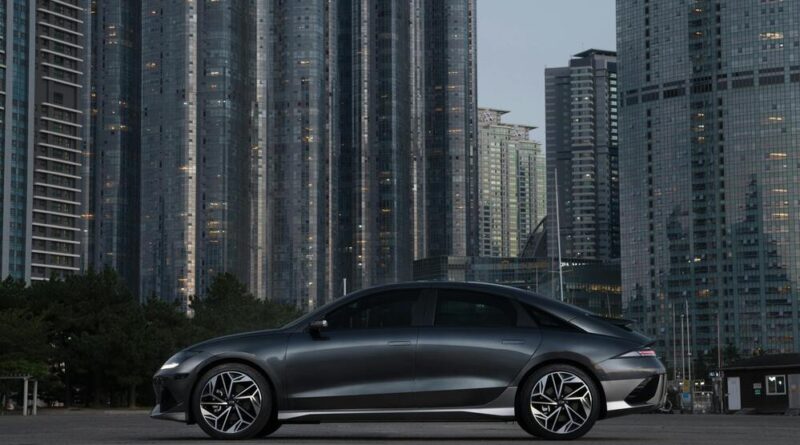
How EVs Are Redrawing the Map of Our Cities
Countdown to the EV Cultural Impact Awards
Days --
Hours --
Minutes --
Seconds
The car has always shaped the way we build — highways slicing through neighborhoods, petrol stations on every corner, drive-thrus redefining food culture. But as the electric vehicle revolution gains momentum, the silent, emission-free car is beginning to redraw our maps and reimagine our communities in ways we’re only beginning to grasp.
The Disappearing Petrol Station
For over a century, the petrol station has been the social pit stop of modern life. But as EV adoption rises, their decline seems inevitable. In their place, multipurpose charging hubs are emerging: part café, part coworking space, part community center. Imagine plugging in your car while plugging into the local culture — drinking coffee, shopping, or attending a yoga class as your battery fills.
These hubs could rehumanize spaces long dominated by the smell of petrol and the rumble of engines.
Quieter Streets, Different Lives
Noise pollution is one of the most underrated health challenges in cities. Traditional cars contribute significantly to the constant hum of traffic, linked to stress, poor sleep, and even cardiovascular issues. EVs, with their near-silent operation, offer the potential for radically quieter neighborhoods.
This is more than a lifestyle perk. Quieter cities mean children playing safely, outdoor dining thriving, and community life flourishing in ways suppressed by the roar of combustion engines. Urban planners are already imagining redesigned streetscapes — more pedestrian zones, bike paths, and green spaces — made possible by the reduced chaos of EV traffic.
The Grid as a Neighborhood Resource
EVs don’t just consume energy — increasingly, they give it back. Vehicle-to-grid (V2G) technology could transform cars into rolling batteries, stabilizing local power supplies and supporting homes, schools, and small businesses during peak demand or outages. Entire districts might one day share energy through interconnected EV fleets, blending mobility with resilience.
A New Cultural Geography
Just as drive-ins, motorways, and suburban sprawl defined the 20th century, EVs will leave their own cultural footprint on the 21st. Charging stations will become social landmarks, energy hubs will merge with retail spaces, and cities will reorient around cleaner, quieter mobility.
For communities historically affected by pollution — neighborhoods near highways or industrial corridors — the shift could be transformative. Cleaner air and quieter roads may lead to measurable improvements in public health, equality, and quality of life.
Why It Matters
The EV revolution isn’t just about technology; it’s about how we live. It forces us to rethink the very blueprint of our communities, from the corner store to the skyline. As fossil fuels fade, we stand at the edge of not just a transportation shift, but a cultural redefinition of urban life.
The EV Cultural Impact Awards celebrate this wider view — where cars don’t just move us from A to B, but help redraw the spaces in between.