
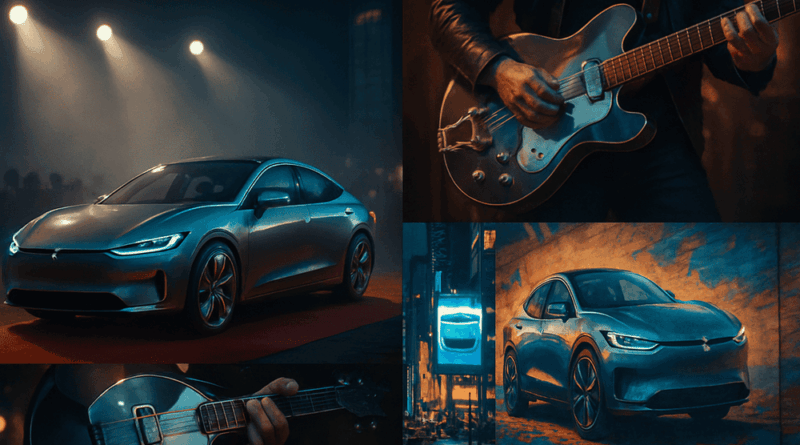
EVs in Pop Culture: From Hollywood Films to Music Videos
Countdown to the EV Cultural Impact Awards
Days --
Hours --
Minutes --
Seconds
Electric vehicles (EVs) have shifted from futuristic novelties to cultural icons — appearing not only in showrooms and driveways, but across the screens, stages, and stories that shape our collective imagination. The way EVs show up in film, TV, music, and art matters: it tells us how society views the technology, and more importantly, how it aspires to embrace it.
Hollywood’s Silent Stars
Cinematic history has long used cars as cultural shorthand. The growl of a Mustang in Bullitt or the roar of a Dodge Charger in The Fast and the Furious said as much about rebellion and freedom as it did about horsepower. Now, EVs are beginning to rewrite that narrative.
In recent years, Teslas have appeared everywhere from Iron Man (where Tony Stark, a character synonymous with cutting-edge tech, drives one) to Netflix series that frame EVs as sleek, desirable, and forward-thinking. Meanwhile, futuristic blockbusters like Blade Runner 2049 use electric and hybrid vehicles to set a tone of progress laced with dystopian questions — what happens when machines evolve faster than society?
On the Small Screen
TV has followed suit. Documentaries such as Revenge of the Electric Car or docuseries exploring climate innovation highlight EVs as symbols of resilience and transformation. In dramas and comedies, an EV in the driveway is shorthand for eco-consciousness, modernity, and even affluence.
Music, Videos, and Cultural Cool
Perhaps the most surprising turn is in music. From pop stars showing off electric cars in glossy videos to independent musicians writing lyrics about sustainability, EVs are creeping into the sonic landscape. They’re increasingly framed not as compromises, but as aspirational — the “new luxury” that blends style with conscience.
Even sound itself is cultural currency. As EVs are nearly silent, artists and engineers are experimenting with how to give them personality. Customizable soundscapes — from futuristic hums to subtle digital notes — could make their way into music production and DJ sets, embedding EV identity directly into art.
Art and Imagination
Contemporary artists are also taking note. Installations featuring charging stations, sculptures built from decommissioned batteries, and exhibitions on “post-oil futures” position EVs as symbols of both possibility and tension. They force us to ask: are these machines tools of liberation, or simply new symbols of consumption?
Why It Matters
Pop culture doesn’t just reflect reality — it shapes it. When cars first became symbols of freedom in 1950s cinema, sales surged alongside cultural aspiration. Now, as EVs step into that cultural spotlight, they’re doing more than transporting people; they’re transporting ideas about identity, responsibility, and what it means to be modern.
The EV Cultural Impact Awards exist in part to celebrate this — the way stories, songs, and images help EVs move from the margins into the mainstream imagination.