
The Cultural Icons Who Drive Electric: Artists, Musicians, and Influencers Behind the Wheel
Countdown to the EV Cultural Impact Awards
Days --
Hours --
Minutes --
Seconds
When celebrities, artists, and online influencers choose electric vehicles, their decisions ripple far beyond showroom floors. These cultural icons use their public visibility and creative energy to embed EVs into fashion, music, tech—and, crucially, public imagination.
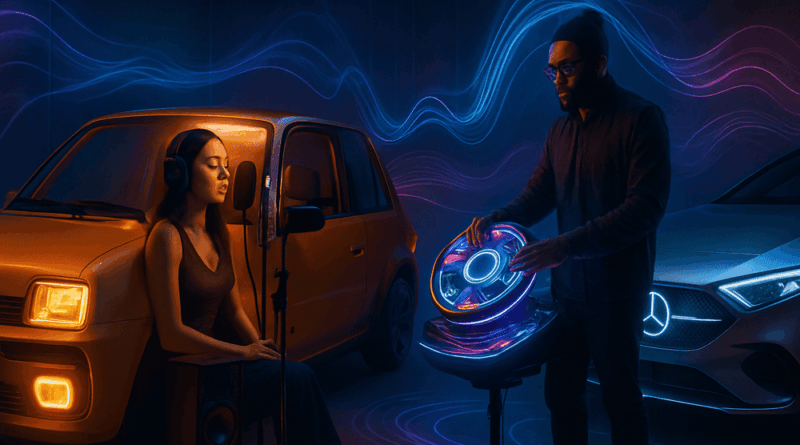
R&B star Sinéad Harnett captured headlines in late 2024 when she didn’t just endorse the all-electric Renault 5 E-Tech—she turned it into a music studio. Harnett used the EV’s near-silent cabin to record and mix a new track entirely inside the car, blending creative performance and e-mobility into a singular viral spectacle. Such feats do more than market a vehicle; they broadcast the idea that EVs are spaces for creativity and cool, not just transport.
The fusion of music and mobility continued when Mercedes-Benz joined forces with Grammy-winner Will.i.am. Their “Sound Drive” platform transforms the car’s controls into an interactive instrument, letting drivers remix tracks in real time as they accelerate and steer. When a pioneering musician personalizes the EV experience, it reframes electric cars as both cutting-edge tech and cultural playgrounds—shifting perceptions among audiences who may never have considered automotive innovation part of music culture.
Online influencers have played an equal part in growing the EV movement. Adventure vlogger Louis Cole, macro influencer Rob Hancill, and “Green Living Guy” Seth Leitman are among the most-watched personalities making sustainable transport aspirational on Instagram and YouTube. By sharing stories of DIY conversions, long-distance road trips, and honest reviews, these creators connect EV adoption to real-life adventure and eco-forward identity.
The cultural impact is substantial. Celebrities and social media tastemakers shape what’s “normal,” desirable, or cool, often reaching demographics untouched by traditional auto marketing. Their candid documentation of the EV lifestyle—highlighting sustainability, tech innovation, and unique perks—breaks down barriers and addresses myths, accelerating broader acceptance.
As prominent figures continue driving electric, their influence further softens resistance, nudging public opinion toward mass adoption and making clean mobility as much about lifestyle and inspiration as it is about transport. The future of EVs, as these icons show, is not just in engineering labs, but in the creative spaces where culture is made and reimagined.