
Cars as Software on Wheels: The Rise of the Digital Vehicle 💻🚗
Countdown to the EV Cultural Impact Awards
Days --
Hours --
Minutes --
Seconds
The traditional view of a car—a fixed machine whose capabilities are determined the moment it rolls off the assembly line—is rapidly becoming obsolete. Today, the vehicle is evolving into a dynamic, customizable, and continuously improving digital platform. This transformation, often dubbed “software on wheels,” is fundamentally reshaping the relationship between drivers and their cars, positioning automotive technology within the broader cultural narrative of constant digital evolution.
The Dynamic Nature of the Modern Car
In the past, major improvements required a trip to the mechanic; now, they often arrive in the form of an Over-The-Air (OTA) update. These updates, akin to those received by a smartphone, can dramatically alter a car’s performance, safety, and features:
- Performance Enhancements: An OTA update might unlock extra horsepower, optimize battery performance for greater range, or fine-tune the regenerative braking system.
- Feature Deployment: New capabilities, from advanced driver-assistance features to updated infotainment interfaces, can be downloaded directly, making the car a constantly evolving product.
- Security and Safety: Critical security patches or fixes for software bugs can be deployed instantly to the entire fleet, enhancing safety and reliability globally and in real-time.
This shift means the car you buy today is not the car you’ll drive five years from now—it will be better, smarter, and more personalized. It’s a key part of the move from a static machine to a dynamic platform.
The In-Car App Economy
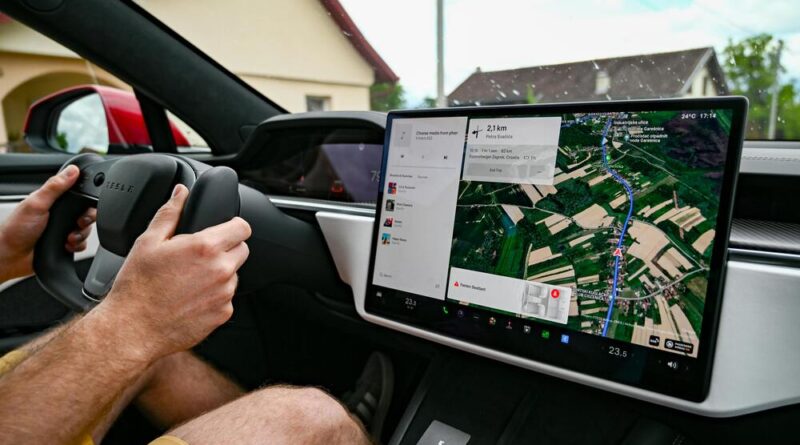
The infotainment screen is no longer just for music and navigation; it’s the gateway to an expanding in-car app ecosystem. Automakers are opening up their systems, allowing third-party developers to create applications that integrate seamlessly with the driving experience.
- Productivity and Convenience: Apps for ordering food, paying for parking, or video conferencing (while parked) are turning the car into a connected third space—an extension of the home and office.
- Personalized Experience: From curated playlists based on your route to personalized climate control settings linked to a driver profile, the car is learning and adapting to individual needs in a way purely mechanical machines never could.
- Data as the New Fuel: This level of personalization is fueled by data. Usage patterns, performance metrics, and diagnostic information are collected (with user consent), providing automakers with unprecedented insight into vehicle and driver behavior, which in turn drives the next wave of software innovation.
The digital vehicle is a cultural touchstone because it reflects society’s deep immersion in personalized, updateable, and always-on technology. The modern car is now a computer you drive, a testament to the seamless integration of hardware and code that defines 21st-century living.