
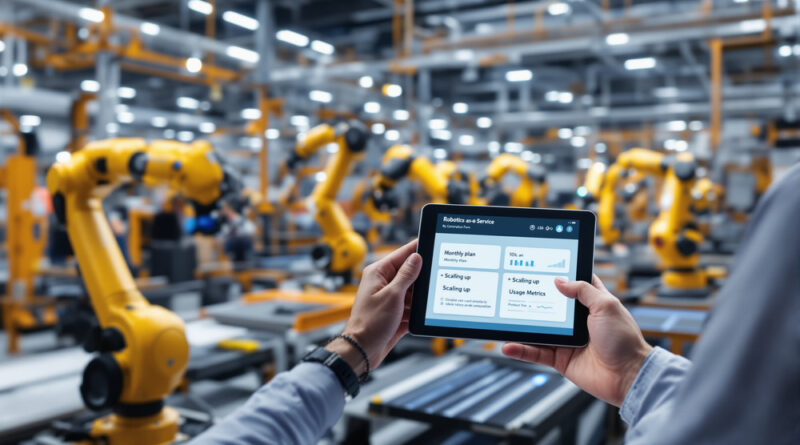
How AI, Robotics, and Automation Will Shape the EV Experience
Countdown to the EV Cultural Impact Awards
Days --
Hours --
Minutes --
Seconds
The electric vehicle is already a technological marvel, but the true revolution lies in the digital experience it enables. The future of EV ownership won’t be defined by horsepower or battery size, but by the seamless integration of Artificial Intelligence (AI), robotics, and deep automation. These technologies are moving the EV from a high-tech car to a genuine mobile personal assistant and extension of the smart home.
The AI Co-Pilot: Beyond the Voice Assistant
Today’s voice commands are just the start. Tomorrow’s EV will feature an AI Co-Pilot—a sophisticated neural network that understands context, anticipates needs, and proactively manages the driving experience.
- Proactive Personalization: The AI Co-Pilot will learn your routines, driving style, and even your mood through biometric feedback. It won’t just adjust the seat; it’ll adjust the suspension, regenerative braking aggressiveness, and cabin lighting to optimize comfort and efficiency based on the road ahead. If your usual route is congested, it will learn to suggest leaving 10 minutes earlier, and pre-warm the battery for optimal performance on that specific trip.
- Intelligent Energy Management: The days of “range anxiety” will be replaced by “range certainty.” AI will constantly analyze live data—traffic, elevation changes, weather, and grid pricing—to give you a precision-calibrated range estimate. It will manage charging autonomously, selecting the optimal time to plug in at home to leverage the lowest utility rates, turning your EV into a smart energy storage unit that participates in the grid.
- Predictive Maintenance: Forget the check engine light. AI will use deep machine learning to spot tiny anomalies in thousands of data points—from battery cell degradation to minor bearing wear—long before a human or basic sensor could. It will proactively alert you and schedule a service appointment itself, even ordering the necessary robotic component before the issue becomes a problem.
Robotics in Motion: The Autonomous and Automated World
While self-driving (autonomy) is the most visible form of robotics, the technology will also redefine mundane aspects of ownership:
- The Robot Valet and Charger: Imagine pulling up to a busy city parking garage and stepping out. A robotic charging unit moves autonomously to your car, plugs itself in, and then moves the car to a designated charging bay, freeing up premium drop-off space. After charging, a robotic valet system moves the car to a long-term parking spot, returning it to you only when summoned via an app.
- Modular and Upgradable Vehicles: The core mechanics of the EV will be designed for robotics. Repair and assembly will increasingly use sophisticated robotic arms and automated diagnostic tools at service centers. This will enable more efficient, precise, and potentially faster repairs and upgrades, allowing a car’s hardware to evolve over its lifecycle rather than becoming obsolete.
- Smarter Safety Systems: Advanced Driver Assistance Systems (ADAS), powered by edge AI chips, constantly process information from cameras, LiDAR, and radar. These systems are not simply reactive; they are predictive. They build a real-time, 3D map of the world around the vehicle, anticipating the movements of pedestrians and other vehicles to prevent accidents an order of magnitude faster than a human could react.
In short, the convergence of AI and the EV is not just about transportation; it’s about a complete lifestyle upgrade. It promises to eliminate friction points, free up mental bandwidth, and allow owners to view their vehicles not as machines to be managed, but as intelligent, automated extensions of their digital lives.